
Showing 25–32 of 32 results
-

CHEM-NOVOLAC
Two-component, Superior Chemicals & Acids Resistant Epoxy Coating
-
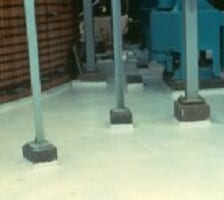
CHEM-HCR
High Chemical Resistant Epoxy Coating System
-
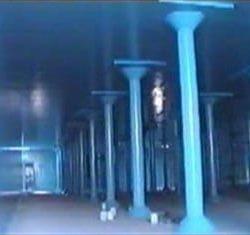
CHEM-CRETE® E-430
Non-Toxic, High Build, Solvent-Free Epoxy Coating (The Water Tank Coating System)
-

CHEM-KOTE 3
Non-Toxic Solvent-Free Epoxy Coating for potable water
-

CHEM-GUARD 80
Two Component High Chemical Resistance Solvented Epoxy Coating System
-
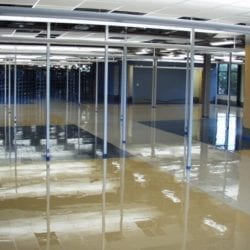
CHEM-WET 2
Moisture cured, Non-Toxic High Build Solvent-Free Epoxy Coating
-
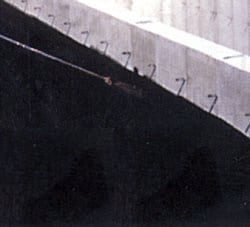
CHEM-TAR LC
Two-component, High-build Coal Tar Modified Epoxy Coating
-
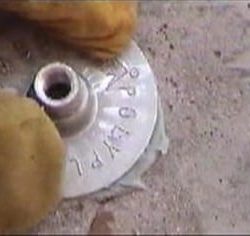
CHEM-VERSATILE
Structural and Multi-Purpose Epoxy Adhesive
Some concrete problems can’t be solved with a coating alone. A crack that’s actively letting water through, an anchor bolt that has to hold real structural load, a manhole under constant chemical attack from sewer gas- all of these need a chemistry built for the specific job, not a general-purpose fix. That’s what International Chem-Crete’s Epoxies line is built around: a full family of epoxy systems, each engineered for a distinct application, from anchoring and doweling to gel repairs, coatings, injections, mortars, and primers.
Sealing Concrete Crack Problems Before They Spread
A crack rarely stays the size it started at. Left alone, it widens under traffic load, thermal stress, and freeze-thaw cycles, lets in water and chlorides, and eventually threatens the reinforcing steel underneath. Chem-Crete’s epoxy injection range exists to stop that process at the source. Products like CHEM-INJECT XLV®, CHEM-INJECT 100, CHEM-INJECT R and CHEM-VOID cover everything from ultra-low viscosity resin built to penetrate hairline fractures to wider, low-exotherm systems designed for larger voids and cracks.
Sealing concrete crack damage with an injected epoxy, rather than a surface patch, means the repair works from the inside of the crack outward, restoring structural continuity instead of just hiding the problem. With pot lives ranging from 20 to 60 minutes and elongation rates tuned to different crack movement profiles, there’s a specific injection system for a hairline crack in a parking structure and a different one for a wide structural crack in a bridge deck.
Repairing Active Sewer Manhole and Pipe Systems
Sewer environments are some of the most chemically aggressive concrete faces anywhere. Hydrogen sulfide gas condenses on manhole walls and converts into sulfuric acid, and that acid eats away at concrete and mortar joints until the structure starts to fail. CHEM-SEWER, from Chem-Crete’s Gel Epoxies range, is built specifically for this problem: a two-component, hydrophobic epoxy gel that cures underwater or above it, resists sulfuric acid and methanol, and bonds tightly enough to structurally repair the walls and joints before infiltration and seepage set in.
Repairing an active sewer manhole with CHEM-SEWER is typically the first stage of a complete restoration system, applied by trowel to rebuild an impermeable structural layer, then finished with an acid-resistant coating like CHEM-NOVOLAC for long-term chemical protection.
The same chemistry extends to patching an active sewer pipe, where CHEM-SEWER’s super-wetting bond strength and resistance to hydrogen sulfide byproducts make it a reliable fix in pipe and canal repairs across sewage plants, stormwater systems, and industrial wastewater facilities.
A Product for Every Structural Application
Beyond cracks and sewer systems, Chem-Crete’s Epoxies line covers the full range of concrete and steel connection work:
- Anchoring & Doweling: CHEM-ANCHOR and CHEM-DOWEL 2 set rebar, dowels, and structural fasteners into concrete with high-strength epoxy adhesive.
- Coatings & Linings: A ten-product range including CHEM-FLOOR, CHEM-HCR, and CHEM-NOVOLAC, covering everything from high-gloss industrial floors to high chemical resistance linings for tanks and containment areas.
- Mortars: CHEM-MORTAR 2, CHEM-KIT®, and CHEM-REPAIR 510 provide solvent-free epoxy binders and repair mortars for structural patching, anchoring, and grouting.
- Primers: Purpose-built epoxy primers that prepare concrete surfaces for coatings, linings, and overlays to bond properly on the first application.
Choosing the Right Epoxy System
For contractors, engineers, and municipalities working on infrastructure that has to hold up under real chemical and structural stress, choosing the wrong epoxy system shows up fast: a crack that reopens, a coating that fails against acid exposure, an anchor that pulls loose under load.
International Chem-Crete’s Epoxies range is organized specifically so the right product is easy to find and match to the job, whether it’s sealing a concrete crack before it spreads or repairing a sewer structure that’s already under chemical attack.
Frequently Asked Questions
Que : How do I know which injection epoxy to use for sealing a concrete crack?
Ans : It depends on crack width and movement. Low-viscosity products like CHEM-INJECT XLV® are built for hairline fractures, while CHEM-VOID and CHEM-INJECT 100 handle wider cracks and voids with longer pot lives for larger repair jobs.
Que : Why does CHEM-SEWER work specifically in sewer manhole and pipe applications?
Ans : CHEM-SEWER resists sulfuric acid and methanol, the byproducts of hydrogen sulfide gas that typically deteriorate manhole and pipe concrete, while its super-wetting quality gives it strong adhesion to wet and dry substrates alike.
Que : Can CHEM-SEWER be used on its own, or does it need a follow-up coating?
Ans : CHEM-SEWER structurally repairs walls and joints on its own, but for complete chemical protection in a manhole restoration system, it’s typically followed by an acid-resistant coating like CHEM-NOVOLAC.
Que : What’s the difference between the Coatings & Linings range and the Mortars range?
Ans : Coatings & Linings products like CHEM-FLOOR and CHEM-HCR are applied as thin protective layers over existing concrete surfaces. Mortars like CHEM-REPAIR 510 and CHEM-MORTAR 2 are used to rebuild damaged sections of concrete, restoring structural material rather than just protecting the surface.
Que : Do these epoxy systems require special surface preparation before application?
Ans : Most do. Surfaces should generally be sound, clean, and free of oil, grease, and laitance before application, and Chem-Crete’s epoxy primers are specifically formulated to prepare concrete so coatings and linings bond properly on the first application.